
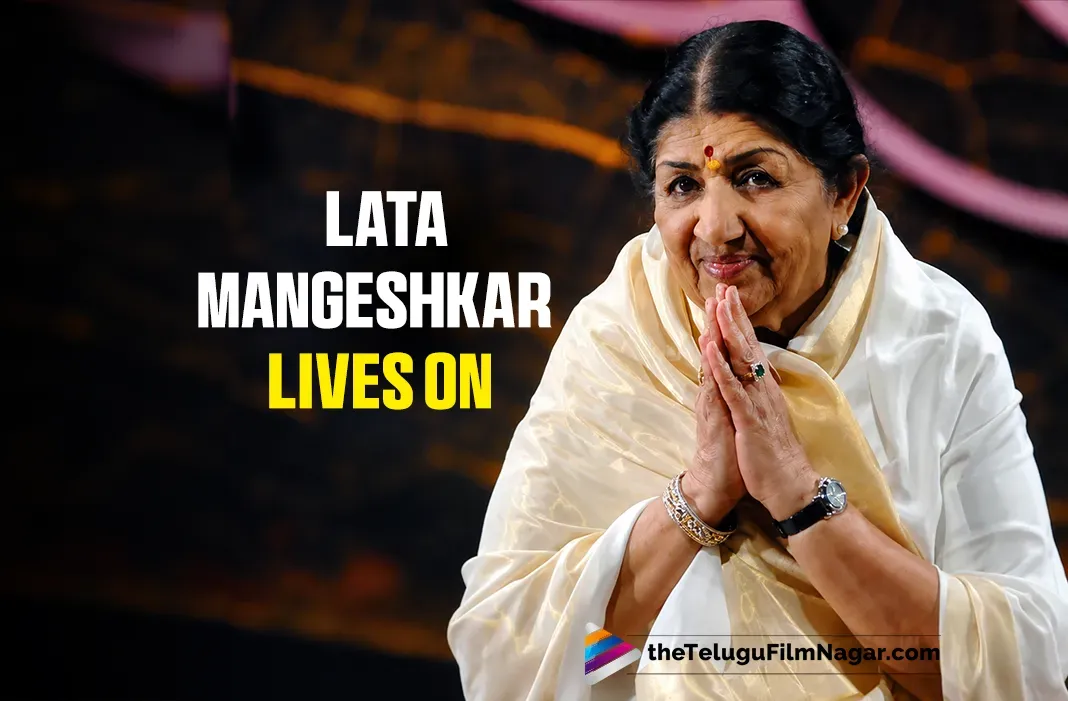
Some songs stay with us long after the film ends. A melody can bring back a forgotten memory, a familiar voice can take us to another time, and sometimes, just a few lines of a song are enough to bring an emotion rushing back. For generations of listeners, the voice behind countless such moments was Lata Mangeshkar. From the timeless romance of Lag Ja Gale to the emotional depth of Ajeeb Dastan Hai Yeh and the patriotic spirit of Ae Mere Watan Ke Logon, her songs became part of people's lives, not just cinema.
What made Lata Mangeshkar special was the natural emotion in her singing. She could make a romantic song feel intimate, bring a sense of loneliness to a melody about separation, or give a devotional song a feeling of complete surrender. Her voice rarely needed dramatic expression to communicate what a character was feeling. The emotion often came through in the softness of a note, the way a word was held or the quietness between lines.
Her career began during a period when Indian film music was rapidly finding new sounds and identities. Over the decades, she worked with generations of composers, lyricists, filmmakers and actors, becoming one of the most recognisable voices in Indian cinema. Songs such as Aaja Re Pardesi, Pyar Kiya To Darna Kya, Tere Bina Zindagi Se, Kora Kagaz Tha Yeh Man Mera and Tujhse Naraz Nahi Zindagi showed the range with which she approached different emotions and musical styles.
Her contribution was never limited to Hindi cinema. Lata Mangeshkar recorded thousands of songs in more than 30 Indian languages, taking her voice to listeners across different parts of the country. Whether it was a film song, a devotional melody or a regional-language recording, the emotional quality of her singing remained instantly recognisable.
One of the most fascinating parts of her legacy is how closely her voice became associated with the women seen on screen. Audiences watched different actresses portray different characters, but Lata's singing often became an important part of how those characters were remembered. Romance, innocence, heartbreak, longing and devotion could all find a distinct expression through her voice.
Her body of work brought some of India's highest honours. She received the Dadasaheb Phalke Award in 1989 and the Bharat Ratna in 2001. She was also the first singer to receive the Filmfare Lifetime Achievement Award. These recognitions reflected the enormous place she had earned in Indian music, but her greatest legacy exists beyond trophies and awards.
Her greatest legacy can be heard in the songs that continue to bring back memories for generations of listeners. A song played by parents can become familiar to another generation. A classic heard for the first time can still create the same emotional connection decades after it was recorded.
That is what makes Lata Mangeshkar's voice so enduring. Indian cinema has gone through several generations of music, changing technologies and new styles of singing, yet her songs continue to find listeners.
On her birth anniversary, remembering Lata Mangeshkar is therefore not simply about looking back at an extraordinary career. It is about remembering the songs that became part of our lives and the voice that gave those songs their emotional soul. Decades later, when those melodies play again, the memories return with them.